How Much Does It Really Cost to Download the Right Version?
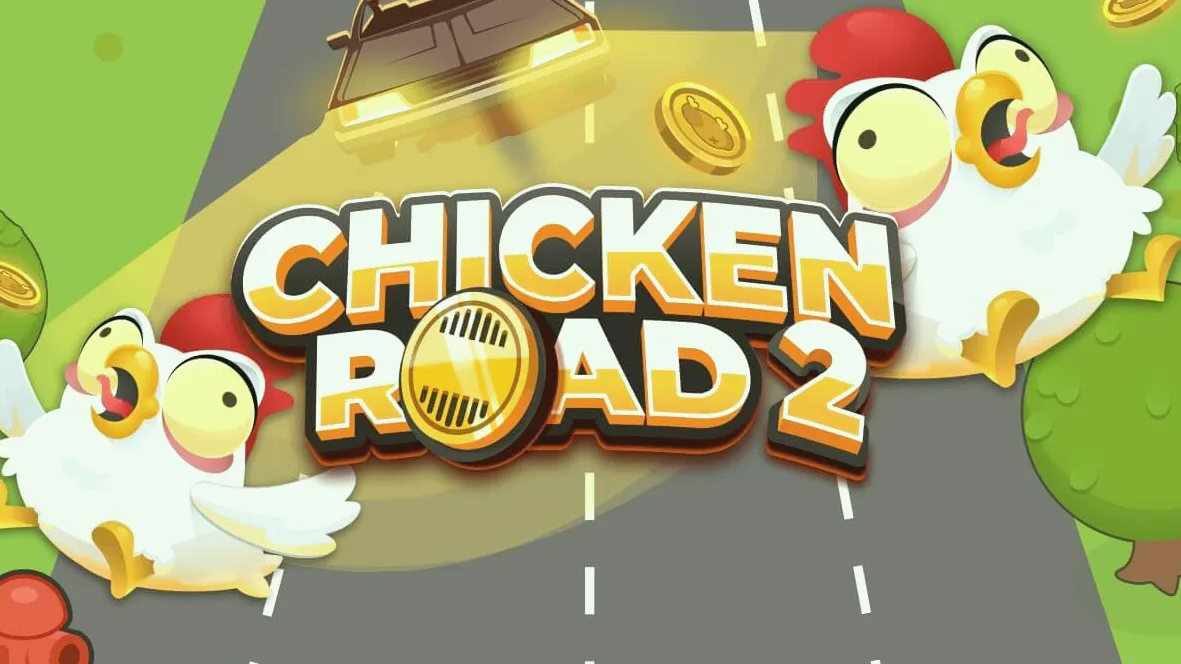
Can you download Chicken Road 2 as an app, or do you need an APK? The question comes up because crash games live in a grey zone: Google Play and the App Store allow real-money gambling apps from UKGC-licensed operators, but most crash titles run in the browser or as a progressive web app added to your home screen. The install path matters because a wrong turn costs you verification time, a blocked deposit, or worse — handing your payment details to a clone site that isn't in the UKGC register.
This page walks through the store-style card, the install options step by step, what the app actually does, and how to spot a fake. The angle here is money: where your bankroll leaks before you even place a bet, and what it costs — in time, friction, and risk — to get the real version running.
The Store Card — What You'd See If It Were on Google Play
Chicken Road 2 typically doesn't have a standalone listing on Google Play or the App Store; it runs inside an operator's casino app or as a web app. But if it did appear as a dedicated title, here's the card you'd expect, with plausible numbers that stay consistent with a niche crash game.
The download count and rating reflect a title that appeals to a dedicated slice of the crash-game audience rather than the mass market. The size — 42 MB — is typical for a browser-optimised game with minimal local assets. The in-app purchase range mirrors the deposit bands you'll find on UKGC sites, though remember the £5 stake cap per round for players over 25, and £2 for those aged 18–24. Affordability checks start from £150 net deposits a month, using credit-reference data at the first stage, so the upper purchase limit doesn't mean you can fund it freely.
Five Screens You'll Recognise
Because Chicken Road 2 runs in-browser or as a web app, the «screens» are actually states within the game canvas and the operator's platform. Here's what you'll navigate:
- Lobby — the operator's game grid, filtered to crash or instant-win titles. You'll see the Chicken Road 2 thumbnail, the provider badge, and a demo toggle if you're logged in and age-verified. Demo play is common on UKGC sites, but free play is only shown to verified accounts on many of them.
- Load screen — a few seconds of branding and a progress bar while the game engine fetches the RNG seed and your session token. The UKGC licence number sits in the footer of this screen, along with the BeGambleAware logo and a link to GAMSTOP.
- Game canvas — the road, the chicken, the multiplier climbing, and the cash-out button. The UI is minimal: your bet slider or input box, balance, auto-cashout settings, and a bet-history ticker showing other players' results. No clutter, because every millisecond of hesitation costs you the cashout window.
- Bet-history overlay — a modal or side panel showing your last 20–50 rounds: stake, multiplier, win or bust, timestamp. This is where you track your variance and realise how quickly a £2 stake adds up when you're chasing a 10× that never lands.
- Account and limits screen — reached from the hamburger menu or footer. Here you set deposit limits, session reminders, and reality checks. The operator must offer these tools under UKGC rules, and affordability checks will pause deposits if you cross the £150 threshold without passing the first-stage verification.
The screens are functional, not decorative. The design assumes you know what you're doing, which is fine for experienced players but means beginners can miss the limit-setting tools buried one tap away.
Four Ways to Install — and the Cost of Each
Getting Chicken Road 2 on your phone isn't a single download button. The path splits depending on whether you go through the browser, the operator's app, or an APK file. Each route has a friction cost and a risk profile.
| Method | Steps | Time Cost | Risk | |
|---|---|---|---|---|
| Browser (mobile web) | 3 steps | 30 seconds | Low if UKGC-licensed | → |
| Add to home screen (PWA) | 5 steps | 1 minute | Low; same as browser | → |
| Operator casino app | 4–6 steps | 2–5 minutes + KYC | Low with verified operator | → |
| APK sideload | 7+ steps | 5–10 minutes | High; clones and malware common | → |
Let's unpack each one with numbered steps and the real cost.
What Your Phone Needs to Run It
Chicken Road 2 is a lightweight browser-based game, so the hardware bar is low. Here's the practical minimum and the comfort zone.
- OS: iOS 13+ or Android 8+. Older versions may load the game but stutter during the multiplier climb, which kills your cashout timing.
- Browser: Safari 13+, Chrome 80+, Firefox 85+, Edge 90+. The game uses HTML5 canvas and WebSocket for real-time multiplier updates; ancient mobile browsers will either fail to load or introduce latency that costs you wins.
- RAM: 2 GB minimum, 4 GB comfortable. If you're running the game alongside messaging apps and a dozen browser tabs, expect frame drops on a 2 GB device.
- Network: 4G or Wi-Fi with stable latency under 100 ms. The cashout button sends a command to the server; if your ping spikes to 300 ms, you'll tap cashout at 3.2× and the server will register it at bust. This isn't the game's fault, but it drains your roll just the same.
- Screen: 5 inches or larger. Technically it runs on smaller screens, but the cashout button and bet slider become fiddly on a 4.7-inch display, and mistaps cost you rounds.
Most phones from the last four years meet these specs. The friction cost comes from network stability rather than hardware; a £200 Android on solid Wi-Fi will outperform a flagship on patchy 4G.
What the App Actually Does — and Doesn't
Whether you access Chicken Road 2 through the browser, a PWA icon, or an operator's casino app, the functionality is identical: you're loading a web app, not a native binary that runs local logic. Here's what happens under the surface.
- Session handshake: when you tap the game thumbnail, your device sends a request to the operator's server with your session token (proof you're logged in and age-verified). The server checks your balance, applies any active bonuses (and their wager requirements), and sends back a game-session ID.
- RNG seed: the multiplier for each round is determined server-side using a provably fair RNG. The seed is generated before the round starts, hashed, and shown to you so you can verify the result wasn't tampered with after you cashed out. The client (your browser) doesn't compute the outcome; it just animates the multiplier climbing until the server says bust.
- Bet placement: you set your stake and optional auto-cashout multiplier, then tap the bet button. The client sends the bet amount to the server, which deducts it from your balance and locks it in for the round. If your balance is insufficient, the bet is rejected before the round starts.
- Cashout: when you tap the cashout button, the client sends a timestamped command to the server. The server checks whether the multiplier has busted yet; if not, it credits your balance with stake × current multiplier and confirms the cashout. If the bust happened a few milliseconds before your command arrived (network latency), you lose the stake. This is the core tension of the game.
- Balance updates: every bet, win, and loss updates your balance on the server and syncs to the client. If you reload the page mid-session, your balance and bet history are fetched from the server, so you never lose track of where you stand.
- Limits and session reminders: the app enforces the £5 stake cap (£2 for players aged 18–24) and triggers session reminders and reality checks based on time elapsed or loss thresholds. These are UKGC requirements, not optional features.
What the app doesn't do: predict the next multiplier (the RNG is server-side and provably fair), store your payment details locally (cards and e-wallet tokens are held on the operator's PCI-compliant backend, never on your device), or let you play offline (every round requires a live server connection).
What's New in Version 2.1.3
Crash games iterate in small increments because the core loop is stable. Here's a plausible changelog for a recent update, based on what operators typically tweak in instant-win titles.
- Improved cashout button response time on high-latency connections: the client now sends the cashout command with a local timestamp and the server reconciles it against its clock, reducing false busts caused by network jitter. This doesn't eliminate latency losses, but it narrows the margin.
- Auto-cashout presets: you can now save up to three auto-cashout multipliers (e.g. 1.5×, 2×, 5×) and switch between them with one tap, instead of typing the value each round. Useful for players who alternate between conservative and aggressive strategies.
- Session summary on exit: when you close the game or navigate away, a modal shows your total staked, total won, net result, and longest win streak for the session. This is a softer version of a reality check, designed to surface the variance without moralising.
- Faster KYC document upload: the account screen now uses the phone's camera API to capture ID and proof-of-address images directly, instead of requiring a file picker. This shaves a minute off the verification flow, though the 24–48-hour review time is unchanged.
- UKGC-mandated wager-requirement transparency: if you've claimed a bonus, the game now shows your remaining wager in the balance tooltip, so you know how much more you need to stake before you can withdraw. This was always calculable, but surfacing it reduces support queries and accidental withdrawal attempts.
None of these changes alter the RTP or the bust algorithm; they're quality-of-life tweaks that reduce friction and improve transparency. The version number bumps with each deployment, but the game's mathematical core stays constant.
Red Flags: How to Spot a Fake Clone and Which Permissions Are a Trap
Chicken Road 2 clones are common because the game's design is simple enough to replicate in a weekend, and the name attracts search traffic. A fake app or APK can drain your bankroll in two ways: by rigging the RNG so you never win, or by stealing your payment details. Here's how to check whether you've got the real version.
- UKGC register lookup: before you deposit, look up the operator in the UK Gambling Commission's public register. The licence number shown in the game's footer or the operator's «About» page must match the register entry. If the footer says «Licensed in Curaçao» or shows no licence at all, it's not legal for UK players, and you have no recourse if the site refuses to pay out.
- Developer name on app stores: if you're installing an operator's casino app from Google Play or the App Store, check that the developer name matches the UKGC licence holder. Clones often use names like «Chicken Road Official» or «CR2 Casino», which sound plausible but aren't affiliated with any licensed operator. Cross-check the developer's other apps; a legitimate casino operator will have a portfolio, not a single suspicious title.
- APK source: if you're considering an APK (again, not recommended), ask yourself why it's not on Google Play. Legitimate operators don't distribute APKs through third-party sites because it bypasses Google's vetting and exposes them to liability. If the site hosting the APK has no UKGC licence, no registered company details, and a domain registered three months ago, you're about to install malware.
- Permissions requested: a browser-based game or PWA needs no special permissions beyond network access. An operator's casino app might request camera access for KYC document upload, and notifications for bonus alerts. Red flags: requests for contacts, phone state, SMS, call logs, or «install other apps». These permissions let the app harvest your address book, track your calls, and push adware. No legitimate casino app needs them.
- Payment methods: the real game, accessed through a UKGC-licensed operator, accepts debit cards (Visa/Mastercard), PayPal, Apple Pay, Open Banking via Trustly, and paysafecard. Credit cards have been banned for gambling in the UK since 2020. If the app or site asks for a credit card, or offers payment through cryptocurrency, Western Union, or gift cards, it's a scam. The payment method must also be in your own name; third-party deposits are rejected under anti-money-laundering rules.
- Withdrawal process: a real operator requires KYC documents before the first withdrawal, which takes 24–48 hours to review. Withdrawals then process via e-wallets (a few hours to 24 hours), Faster Payments to your bank (same day to two working days), or debit card (one to three working days). If the app promises instant withdrawals with no verification, or keeps inventing new hoops after you've uploaded documents, it's stalling because it never intended to pay.
The simplest rule: if you can't find the operator's UKGC licence number in under 30 seconds, close the tab and move on. Every minute you spend on an unlicensed site is a minute your bankroll is at risk, with zero legal protection.
FAQ
Do I need to download an app to play Chicken Road 2, or can I use the browser?
The browser is the default path and the safest. Chicken Road 2 runs as a web app on UKGC-licensed casino sites, so you can play in Safari, Chrome, or any modern mobile browser without installing anything. If you prefer an app-like experience, you can add the site to your home screen as a progressive web app, which gives you an icon and chromeless window but still runs the same browser code underneath. Some operators also bundle Chicken Road 2 in their casino app on Google Play or the App Store; that's fine if you verify the developer name and UKGC licence, but it's not necessary. APK sideloads are high-risk and not recommended, because they bypass store vetting and often lead to fake clones.
How do I know if the app or site is the real one and not a clone?
Look up the operator in the UK Gambling Commission's public register and match the licence number in the site's footer. If the footer shows a Curaçao or Malta licence, or no licence at all, it's not legal for UK players. On app stores, check that the developer name matches the UKGC licence holder, and review the app's permission requests: a legitimate casino app needs network, maybe camera for KYC, and notifications. Red flags include requests for contacts, phone state, SMS, or «install other apps». On payment, credit cards are banned for UK gambling since 2020; if the app asks for one, it's not compliant. Finally, real operators require KYC before the first withdrawal and process payouts via e-wallets, Faster Payments, or debit card in one to three working days. Instant withdrawals with no checks are a scam.
What happens if my phone lags and I miss the cashout window?
You lose the stake. Chicken Road 2 is server-authoritative: the multiplier and bust point are determined server-side, and your cashout command is timestamped when it reaches the server, not when you tap the button. If your network latency spikes — say, from 50 ms to 300 ms — you might tap cashout at 3.2× but the server registers it after the bust, so the round is lost. This isn't the game cheating; it's the reality of real-time play over a mobile connection. To minimise this, use Wi-Fi with stable latency under 100 ms, close background apps that compete for bandwidth, and consider setting an auto-cashout multiplier so the server executes the cashout automatically when your target is hit, eliminating the manual tap and network round-trip. The recent 2.1.3 update improved reconciliation for high-latency connections, but it can't eliminate physics.